
Paying a China Supplier Safely on a First Order
First order with a China balloon supplier? Pay safely: check the proforma invoice line by line, verify bank details on a second channel, stage the payment, and keep the paper trail.
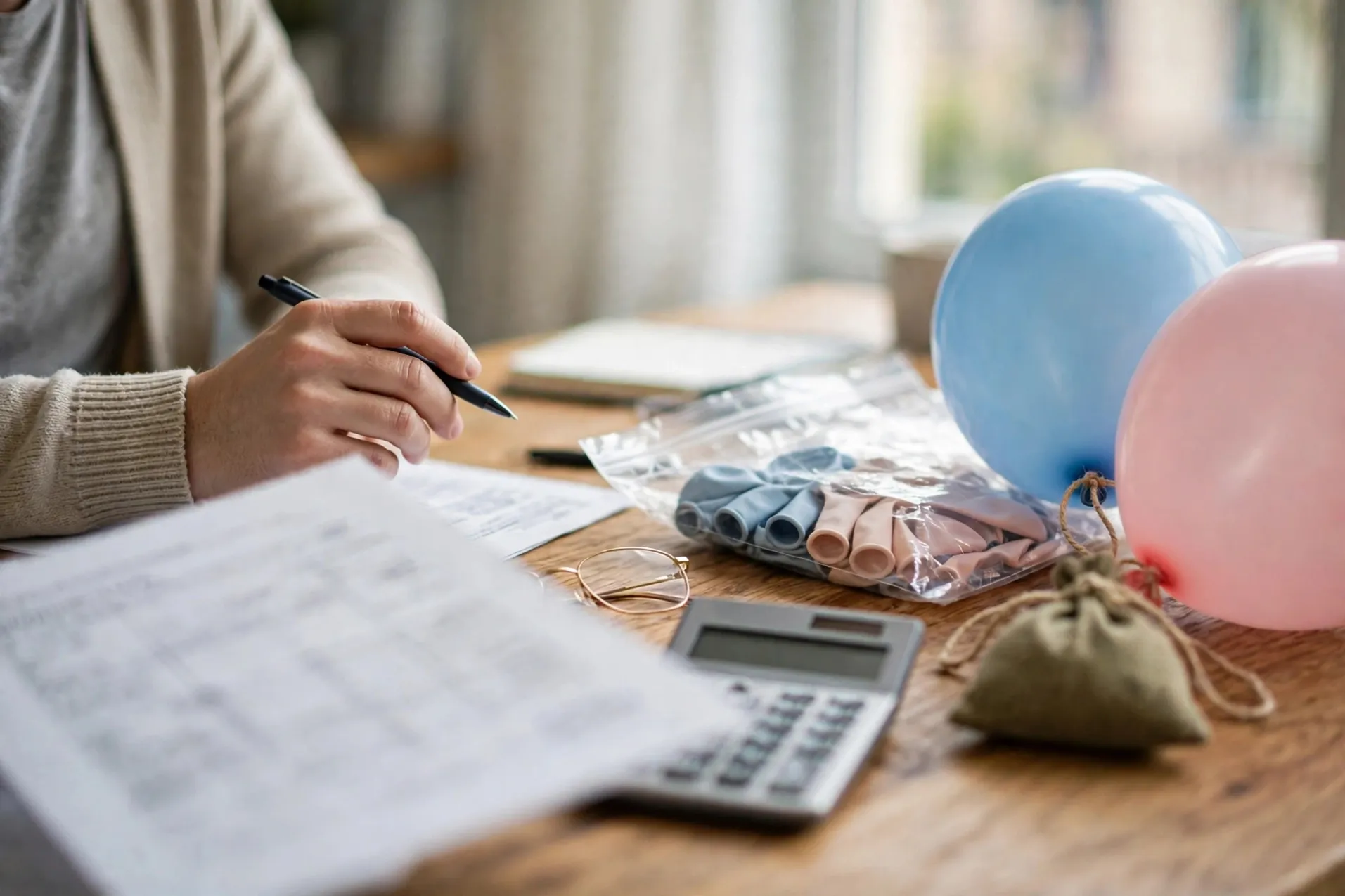
The product side of a first order gets most of the attention, but the payment side is where a mistake cannot be undone. Balloons can be re-checked when they arrive; money sent to the wrong account is simply gone.
The good news: safe payment is a routine, not a talent — a handful of checks that experienced importers run every single time.
Short answer: Pay against a checked proforma invoice, to a bank account in the same company name, verified through a second channel — never only from the invoice itself. Stage the payment (a deposit, then the balance against shipping documents or pre-shipment photos), pay through a traceable channel, and keep every message, invoice and receipt in one file.
This is buyer self-protection, not legal advice; for large orders, a trade professional in your own country is worth the fee.
1. Check the proforma invoice line by line
The proforma invoice (PI) is the contract you will actually pay against. Before any money moves, read it against what you agreed:
- Company name, address and contact details — the same company you have been talking to.
- Product lines: series, colors, sizes and quantities match your confirmed spec sheet, item by item.
- Unit prices and the total; check the arithmetic yourself, including any packing or shipping lines.
- Currency and payment terms: how much is deposit, how much is balance, and what triggers the balance.
- Delivery time stated as a commitment you can point to later, not a chat message.
A wrong color code or quantity on the PI is a free catch. The same error found after production is an argument.
2. Verify the bank details on a second channel
The most expensive first-order mistake is paying correct money to a changed account. Invoice PDFs and email threads can be tampered with, and "our account changed, use this one" is a classic move — sometimes genuine, sometimes not.
So verify independently: contact the supplier through a channel you already trust — the platform chat where you met, or a phone number from their official site — and confirm the account name, number and bank match the PI.
The account name should be the company name on the invoice. A request to pay a personal account, or a differently named company with no explanation, is a stop-and-ask moment, not a detail.
3. Stage the payment
Staging keeps both sides honest and limits what a problem can cost you:
| Stage | When | What should exist before you pay |
|---|---|---|
| Deposit | After the PI is checked and bank details verified | Confirmed spec sheet + signed or stamped PI |
| Balance | When the order is ready | Pre-shipment photos or inspection result, packing list |
| Final documents | After balance, before or with shipment | Bill of lading copy and commercial invoice for customs |
The exact split is something you agree with the supplier and write on the PI. What matters is the sequence: each payment buys a verified step, and the last money moves only when the goods demonstrably exist and match the order.
4. Pay through a traceable channel, and keep the file
Use a bank transfer or a platform payment route that produces a record tied to the invoice. Avoid channels with no receipt, no reference field and no way to show what the payment was for.
Then keep one folder — messages, PI, spec sheet, payment receipts, packing list, shipping documents — so that any question later has a paper answer. Buyers who keep this file rarely need it; buyers who do not, eventually wish they had.
5. Slow down exactly when you are pushed to hurry
Almost every payment loss story includes the same ingredient: urgency. A discount that expires today, an account that "closes tomorrow", a request to move the conversation somewhere unrecorded.
Real suppliers work to production schedules, not countdown timers. Any pressure to skip the checks above is itself the loudest check result you will get — treat it as one, and walk through the red flags in our guide to scam balloon quotes before you pay anything.
A careful supplier will not be offended by any of this. Checking an invoice, verifying an account and staging payments is simply how trade is done — and a supplier who does this every day will usually make it easy for you.
We would rather confirm a spec sheet twice than argue about it once, and every inquiry gets a proper quote in writing, so the paper trail starts before the first payment is ever discussed.
FAQ
Is a deposit normal on a first order? Yes. A deposit before production or packing, with the balance when the order is ready, is the standard shape of a first order. What matters is that the split and its triggers are written on the PI.
The supplier sent new bank details by email. What should I do? Stop and verify on a second channel you already trust — a platform chat or a known phone number — before paying. Never act on changed account details from a single email.
Should the balance be paid before or after shipping? Agree it in advance and write it on the PI. A common pattern is balance against pre-shipment photos or inspection plus the shipping documents, so the goods are verified before the final money moves.
What records should I keep, and for how long? Keep the messages, PI, spec sheet, receipts, packing list and transport documents together at least until the goods have arrived, been checked and sold through. Storage is cheap; reconstruction is not.