How Long Do Helium Balloons Last? Float Time by Size
Typical helium float times for latex balloons by size — 10, 12 and 18 inch — plus the factors that shorten or extend float time.

The short answer
- Indoors at room temperature, a helium-filled latex balloon typically floats 8–12 hours in 10", 12–18 hours in 12", and 24 hours or more in 18".
- Bigger balloons float longer — they hold far more helium relative to the surface it escapes through.
- Heat, sunlight, wind and high altitude all shorten float time. A cool, still indoor room gives the longest float.
- These are typical ranges, not a guarantee for any single balloon.
- For decoration that must look good for days, air-filled balloons are the reliable choice. Helium is a same-day material.
Float time by size
| Balloon size | Typical float time (indoors) | Typical use |
| 5" | Usually does not float | Too small — the lift cannot carry the balloon's own weight |
| 10" | 8–12 hours | Small bouquets, short events |
| 12" | 12–18 hours | The standard party and bouquet size |
| 18" | 24 hours or more | Statement balloons, photo backdrops |
The jump from 10" to 12" matters more than it looks: a 12" balloon holds roughly twice the helium of a 10", but its surface is only modestly bigger — so the gas lasts much longer.
A 5" balloon filled with helium will normally just hang or sink. Decorators use 5" balloons air-filled, as filler in garlands and arches.
Why size changes float time
Latex is not perfectly airtight — helium leaks slowly through its microscopic pores, and the balloon sinks once enough gas has escaped.
Volume grows faster than surface area as balloons get bigger. More helium reserve, proportionally less surface to leak through — that is why float time climbs steeply with size.
What shortens float time
- Heat — warm gas expands and pushes out through the latex faster.
- Direct sunlight — warms the balloon and oxidizes the latex, so gas escapes faster and the finish turns cloudy.
- Wind — moving air, brushing and flexing all speed up gas loss.
- High altitude — lower outside pressure lets helium push outward harder.
- Under-inflation — a soft balloon starts with less lift and sinks sooner.
- Over-inflation — stretched-thin latex leaks faster and can pop. Inflate to a round shape, not a pear shape.
What extends float time
- Fill as late as practical. Float time is a countdown that starts at the nozzle — for an evening event, fill in the afternoon.
- Keep balloons indoors, cool and steady, away from windows and heaters, and handle them gently.
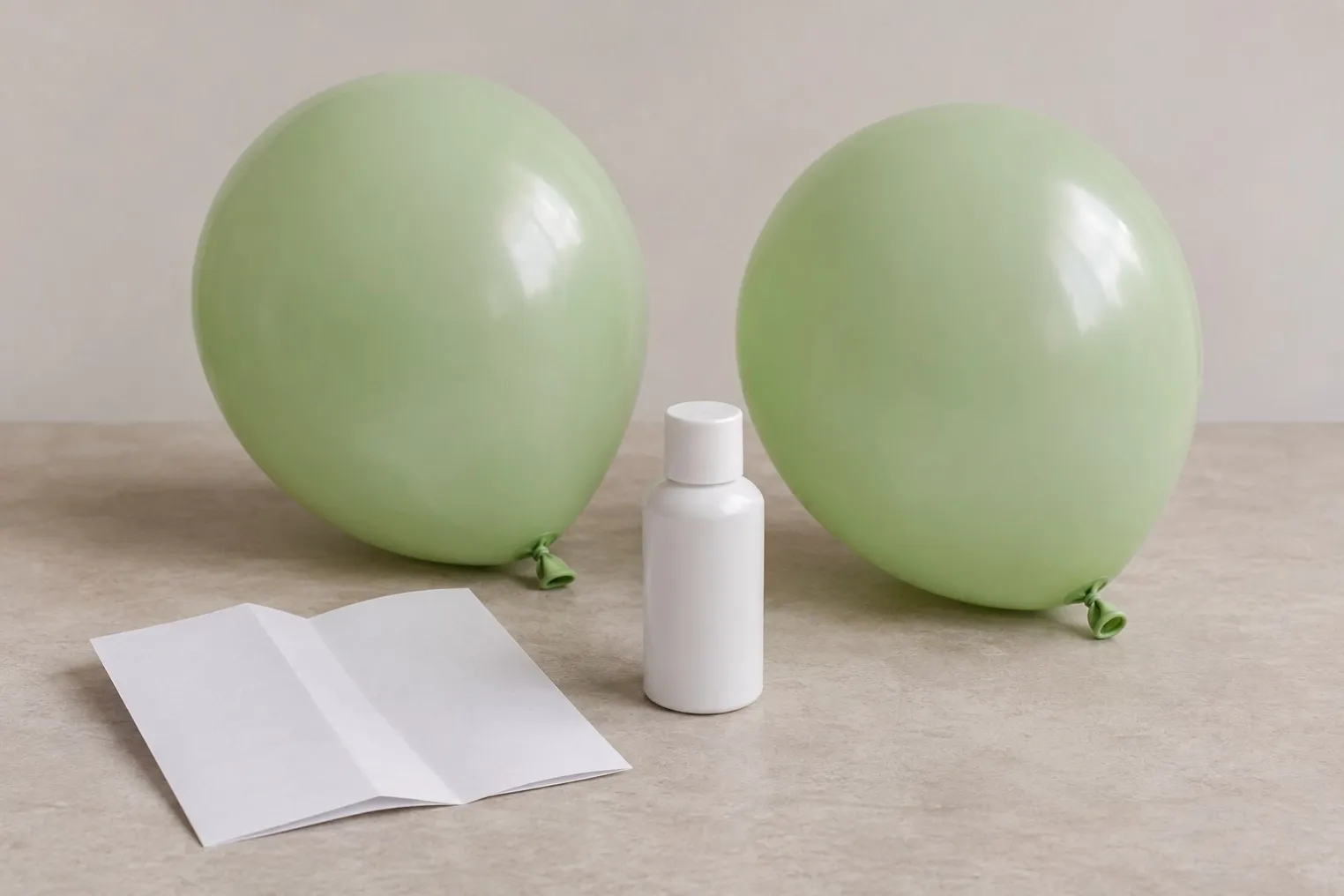
- Float treatments. Gel coatings ("hi-float" type products) dry into a film inside the balloon that slows helium escape, typically extending float time several times over. Follow the treatment maker's dosage and drying instructions.
Helium or air-filled? Match the gas to the job
- Helium — floating singles, table bouquets, ceiling fills. Plan it as a same-day material.
- Air-filled — arches, garlands, walls and columns. No float, but the shape holds for days, so decor can be built the day before. See our arch guide on the blog.
For a multi-day event, the standard answer is air-filled structures for the backdrop, with fresh helium bouquets added each day.
Buying balloons for helium work
Decorators plan helium work around the 12" size, with 10" for short events and 18" for statement pieces.
DecorateBalloons supplies all three in the Standard latex range, plus 10" and 12" in pastel and pearl finishes — all bagged, with mixed orders available across sizes and colors.
Send your size list through our contact page and we will quote it.
Frequently asked questions
When should I inflate helium balloons before a party?
As late as the schedule allows. A 12" balloon filled at midday typically floats well for an evening party; filled the night before, it may be low when guests arrive. If you must fill early, a float treatment buys extra hours.
Why did my balloons sink overnight?
Normal helium escape, plus a cooler room: as gas leaks and the remaining helium contracts, lift drops and the balloon sinks. Small sizes sink first — expected behavior, not a defect.
Does a float treatment really work on latex balloons?
Yes, in general. The gel forms a barrier film that slows helium diffusion, and typical results are float times several times longer. It works best on correctly inflated balloons and needs its drying time.
Can I top up a balloon that has started to sink?
Not usefully — by then much of the helium is gone and the latex has weakened. Fresh balloons are the reliable fix, so decorators build in a margin of spares.